
How to Prepare for Your First Fertility Clinic Visit
Talking to our specialist about infertility
Visiting a fertility clinic for the first time can be an emotional and overwhelming experience, but preparing for it can help ease your anxiety and ensure that you make the most of your appointment. Whether you’ve been struggling with infertility for a while or are seeking fertility advice to plan for the future, knowing what to expect and how to prepare can make the process smoother and more effective.
The first step is to gather all necessary medical records, including any previous fertility tests, surgeries, or treatments. If you’ve had any prior pregnancies, miscarriages, or other relevant health conditions, make sure to bring this information along, as it can provide us with crucial insights into your reproductive health.
You should also track your menstrual cycle, as this will be helpful in diagnosing issues like ovulation irregularities. Write down any questions you may have about your fertility, treatment options, and what the next steps will be.
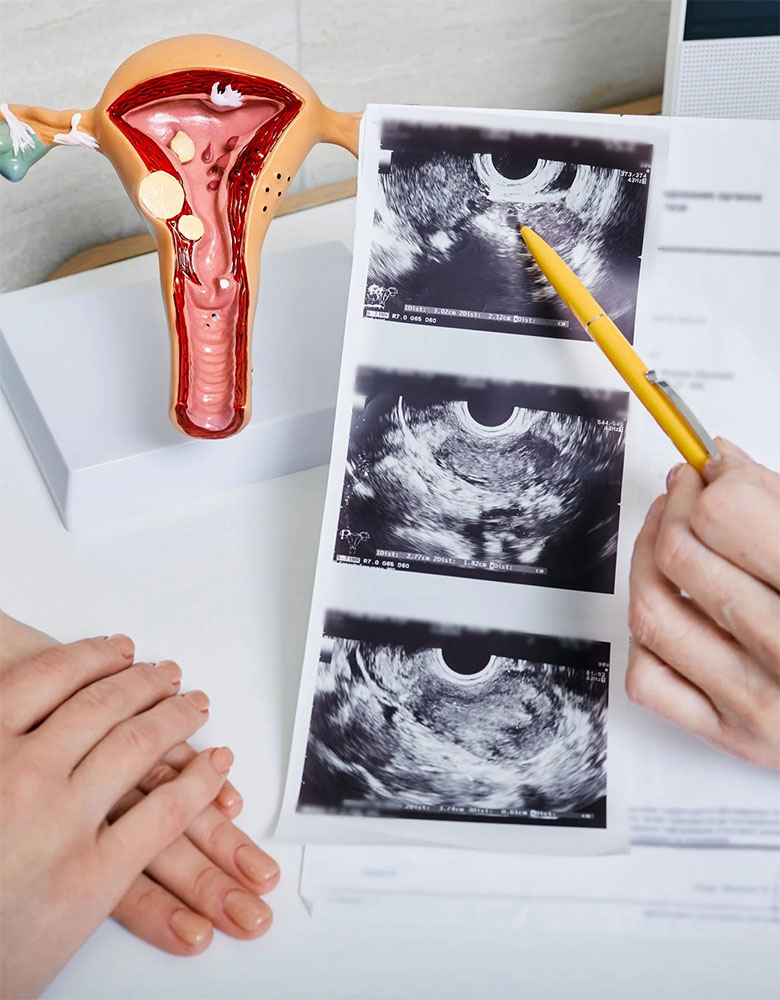
It’s also important to be ready for a thorough physical examination, which may include blood tests, an ultrasound, or other diagnostic tests to assess your overall reproductive health.
For men, preparing a semen sample may be required. Mental and emotional preparation is just as essential; fertility treatments can sometimes be emotionally taxing, and it’s important to have a support system in place, whether that’s a partner, friend, or counselor.
During the appointment, the fertility specialist will review your medical history, discuss your goals, and recommend the best course of action, which may involve lifestyle changes, medications, or assisted reproductive technologies such as IVF or IUI. Being open and honest with your fertility specialist about your lifestyle, concerns, and goals will help guide the conversation and ensure that you receive the most tailored advice.
Your Questions or Concerns
Write down any questions or concerns you may have about fertility treatments, possible diagnoses, or next steps. Some examples could include:
What fertility tests or treatments do you recommend?
What is the most likely cause of my infertility?
What lifestyle changes can improve my chances of conception?
What are the potential risks and success rates of treatments?
How long does it take to get pregnant?
Younger women (under 35) generally have a higher chance of getting pregnant faster with treatment, whereas older women may experience longer timelines for pregnancy. For women over 40, fertility treatments like IVF may be recommended, which can further extend the process.
General Expectations:
Short-Term (A Few Months): If you have relatively mild fertility issues or no underlying health problems, pregnancy could happen within the first few cycles of treatment.
Medium-Term (6 Months to a Year): Many couples may require 6 to 12 months of fertility treatments, including IUI or IVF cycles, before achieving pregnancy.
Long-Term (Over a Year): For some, it may take more than a year of treatments, especially if multiple IVF cycles are needed or if there are more complex fertility issues at play.
Conversation starters
“My partner and I have been trying for a baby, and we haven’t got pregnant. What should we do?”
“I would love a third child, but I’m not conceiving as quickly as I did with my first two babies. Could something be wrong?”
“My periods are irregular. Could that be why I’m not getting pregnant?”
“Our first baby was an IVF baby due to unexplained infertility. We are ready to try for a second baby. Will we need IVF again?”
“What are the treatment options for people who need help conceiving?”