
What is normal fertility and when does it become infertility?
What are Causes for Infertility
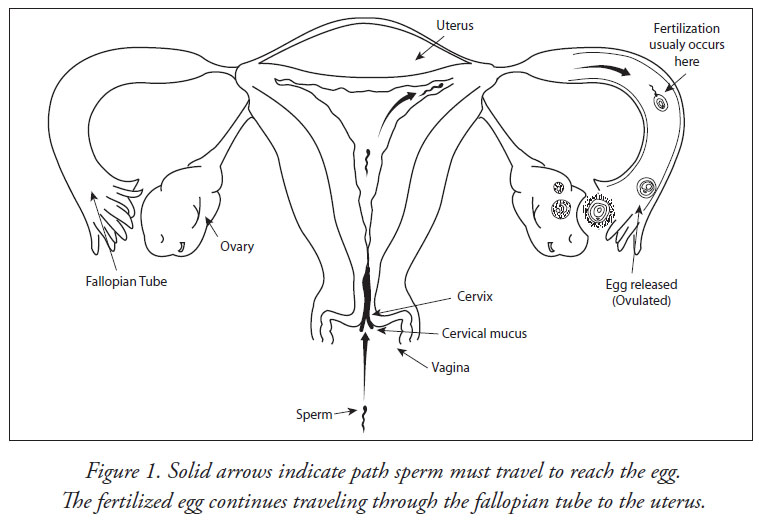
Conception is a complicated process that depends upon many factors:
- the production of healthy eggs by the ovaries and healthy sperm by the testes
- unblocked fallopian tubes that allow the sperm to reach the egg
- the sperm’s ability to fertilize the egg when they meet
- the ability of the fertilized egg (embryo) to become implanted in the uterus
- a healthy embryo
- a hormonal environment adequate for the embryo’s development in the womb
When just one of these factors is impaired, infertility can result.

How common is infertility?
Infertility affects 10% to 15% of couples, making it one of the most common problems for people aged 20 to 45. The longer someone tries to get pregnant without success, the harder it becomes to conceive without help.Most individuals or couples (about 85%) with normal fertility will conceive within a year of trying. If conception doesn’t occur in the first year, the chances decrease with each passing month.
What Causes Infertility?
Age. Age can have a big effect on the ability to have a baby, especially as you enter your 30s and 40s. For a healthy individual in their 20s or early 30s, the chance of conceiving each month is 25%-30%. By the time someone reaches 40 years old, the chance is 10% or less.
Ovarian Reserve. The number and quality of eggs (ovarian reserve) decrease naturally and progressively from when a person with ovaries is born until they reach menopause. This decline is gradual until their early 30s but accelerates quickly after the mid-30s.
Ovulation Disorder. The most common infertility factor is an ovulation disorder brought on by conditions like
- polycystic ovary syndrome (PCOS),
- hypothyroidism or thyroid disease
- hyperprolactinemia or making too much prolactin
- and other hormonal disorders
Endometriosis. Endometriosis is a condition where tissue similar to the lining of the uterus grows outside of it, causing pain and scar tissue formation in the abdomen.
Blocked fallopian tubes. The fallopian tubes can become blocked if an individual has had pelvic inflammatory disease or endometriosis.
Fibroids. Uterine fibroids are growths that occur in and around the uterus and can sometimes be painful or cause infertility.
Congenital anomalies (birth defects) involving the structure of the uterus are associated with repeated miscarriages.

When should you see a fertility specialist?
- If the female partner is under 35 and the couple has been trying to conceive for more than 12 months.
- If the female partner is aged between 35 and 37 and the couple have been trying to conceive for 6 months and this is particularly if the male partner is more than five years older than the female partner.
- If the female partner is aged 37 or older investigation for potential causes of infertility should be checked particularly if the male partner is more than five years older than the female partner.
- If the female partner has irregular periods or either partner has a known fertility issue.